
5 Contract Checks for 280E Risk: Roll With Paid vs Greenshades

For most cannabis and other high-risk employers, Roll With Paid is the stronger choice over Greenshades because it operates as an Employer of Record with cannabis-specific compliance knowledge, not just a payroll processing tool. That distinction matters when 280E, multi-state filings, and audit exposure are part of your daily operating reality. The checklist below walks through why, and what to verify before you sign anything.
TL;DR:
- Employers should verify who actually files and signs tax returns and clarify remediation responsibilities and penalties to understand their real legal liability.
- Cannabis payroll complexities require providers to understand 280E restrictions, workers’ compensation codes, and state-specific filings to avoid audit issues.
- Employer of Record models like Roll With Paid offer industry-specific compliance support and faster issue resolution, especially for multi-state cannabis operators with high audit exposure.
- Contract review should include clear terms on filing responsibilities, error remediation, penalty coverage, onboarding timelines, and security measures.
- Pricing varies based on worker classification, state complexity, and error risk, making detailed cost evaluation essential, especially for high-risk, multi-state cannabis businesses.
Table of Contents
- EOR versus payroll software: what you’re actually choosing between
- Who actually holds legal and tax responsibility when you outsource
- Cannabis-specific payroll risks that change which vendor fits
- Evaluation checklist for contracts, service levels, and security
- Pricing models and what drives cost for high-risk employers
- Onboarding timelines and what real support looks like
- When Roll With Paid is the right choice for your business
- What clients typically experience with an EOR partner
- Get a compliance-ready payroll partner built for your risk level
- FAQ
- Sources
EOR versus payroll software: what you’re actually choosing between
Before comparing vendors by name, it helps to understand the two different categories you’re shopping in. An Employer of Record model, which is how Roll With Paid operates, takes on co-employment responsibilities: it handles tax deposits, benefits administration, workers’ compensation, and often stands behind filing accuracy. Software-only payroll platforms, which is the category Greenshades occupies, give you tools to run payroll and file returns yourself, with your business retaining the legal responsibility for accuracy and timeliness.
Neither model is wrong, but they fit different risk profiles.
- EOR-managed model: better suited to multi-state cannabis operators who want liability, benefits administration, and audit support handled by someone with industry-specific experience.
- Software-only tools: can work for low-risk, single-state employers with strong internal HR and tax expertise who want more control and lower monthly cost.
- Hybrid confusion: the biggest mistake is assuming a software platform carries EOR-level liability protection when its contract says otherwise.
Whichever direction you lean, verify three things immediately: who actually files and signs your returns, what happens when an error occurs, and who pays any resulting penalty. Those three contract items decide more about your real risk exposure than the price tag does.
Who actually holds legal and tax responsibility when you outsource
This is the part employers misunderstand most often, and it’s worth being direct about it. The IRS states plainly that employers generally remain responsible for federal employment taxes even after handing payroll to a third party. Outsourcing doesn’t automatically transfer that obligation. It depends entirely on the type of arrangement and what the contract says.
A recent industry analysis makes the same point from a different angle: outsourcing payroll does not necessarily transfer employment-tax risk, and employers need to check contract terms and remediation responsibilities before assuming they’re covered.
Part of the confusion comes from the terminology itself. The IRS distinguishes among payroll service providers, reporting agents, and certified professional employer organizations, and liability shifts differently depending on which one you’re dealing with:
- A standard payroll vendor processes transactions but typically leaves tax liability with you.
- A reporting agent files on your behalf under a limited authorization, with liability still largely yours.
- A CPEO assumes specific federal employment tax liabilities under its certification.
- An EOR, by contrast, takes on co-employment obligations that can include tax deposits, benefits, and workers’ compensation exposure.
Read your contract for the word “liable,” not just “responsible.”
Cannabis-specific payroll risks that change which vendor fits
Cannabis payroll carries complications that generic payroll software was never built to handle. Section 280E restricts which business expenses cannabis companies can deduct, and payroll categorization feeds directly into how those deductions get calculated and defended later. A vendor that doesn’t understand how 280E affects payroll can leave you with reporting gaps that surface during an audit, not before one.
The mistakes tend to repeat across the industry:
- Misclassifying cultivation, extraction, or retail workers under the wrong workers’ compensation code.
- Missing state-specific filings in markets with their own cannabis employment rules.
- Treating payroll general ledger categories as interchangeable when 280E requires them to be sharply defined.
Pro Tip: Ask any prospective provider to show you a sample reconciliation report before you sign, not after your first pay run.
What you want from a provider is evidence, not assurances. Audit logs, regular reconciliations, and sample reporting that maps payroll categories to 280E-sensitive classifications are the operational proof points that separate a provider who understands cannabis from one who’s learning on your account.
Evaluation checklist for contracts, service levels, and security
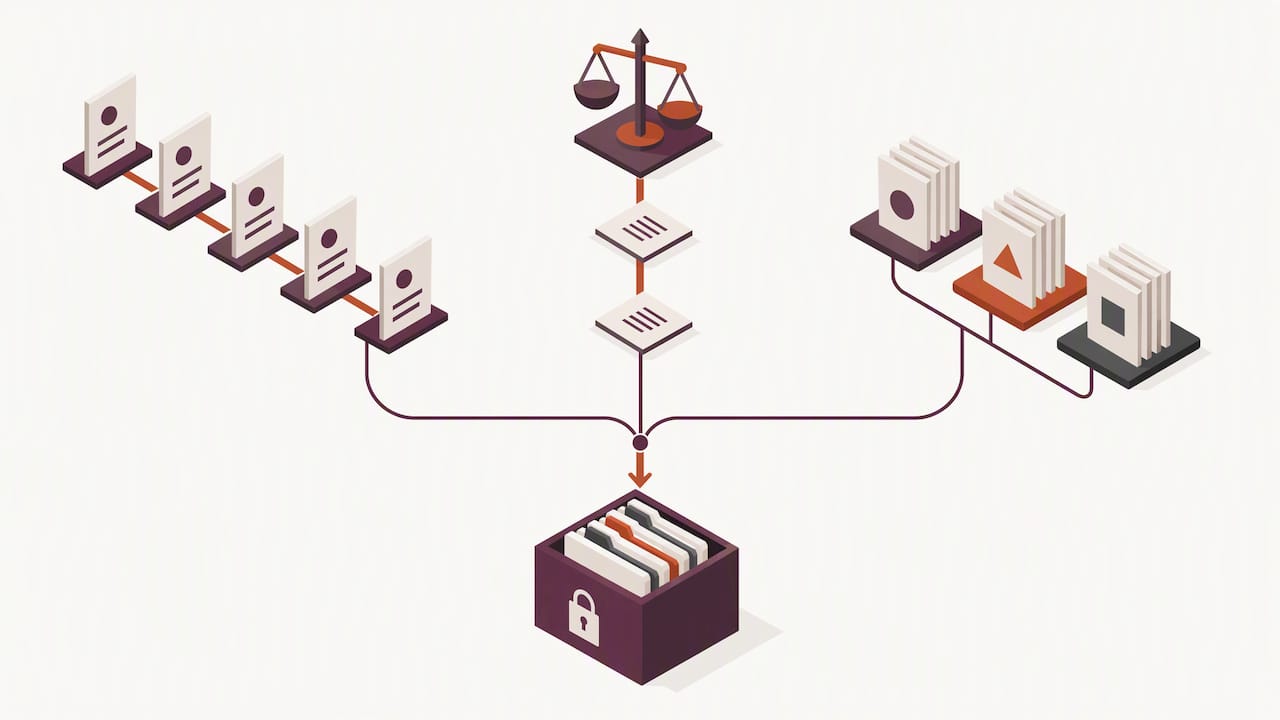
Before signing with any provider, run the conversation through these points in order:
- Confirm who files and signs returns. The contract should name the party responsible, not just describe services generally.
- Define remediation by scenario. Missed deposits, erroneous filings, and agency notices each need a stated response, with a timeline attached.
- Clarify indemnity scope. Know exactly which penalties and costs the vendor absorbs versus which ones land back on you.
- Check onboarding and pay-run service levels. Ask how fast the provider responds to an agency notice, not just how fast they run payroll.
- Verify security and data access controls. Encrypted transfer, SOC-type reporting, and clear access logs should be standard, not an upsell.
A practical guide to PEO contract clauses is a useful second reference if you want language to compare against what a vendor hands you.
Pricing models and what drives cost for high-risk employers
Payroll and EOR pricing usually falls into one of three shapes: a percentage of gross payroll, a flat per-employee fee, or a standalone HR retainer layered on top. Roll With Paid’s service rate and HR retainer are available on request, since pricing depends on worker classification codes and headcount rather than a flat published rate.
For cannabis operators specifically, a few factors push cost higher than a generic payroll quote suggests:
- Workers’ compensation classification codes tend to carry higher premiums in cultivation and extraction roles.
- Multi-state operations multiply the filing complexity, and the fee structure should reflect that.
- Changes in comp codes or state rules midyear can shift your rate, so ask how adjustments get handled.
Total cost of ownership should include what you’d pay if an error happened and the vendor’s contract left you holding it.
Onboarding timelines and what real support looks like
A serious EOR engagement follows a recognizable sequence: data collection and classification review first, benefit and workers’ comp setup next, then a first pay run once everything reconciles. Expect this to take real time, not a same-week turnaround, especially for multi-state cannabis operators with several comp codes in play.
Support quality shows up in the details. A dedicated representative, defined response times for agency notices, and ongoing compliance advisory, not just a support ticket queue, are the signals of a provider built for this industry.
Red flags are just as telling: vague answers about who handles a notice, no cannabis-specific experience to point to, or onboarding timelines that keep slipping without explanation.

When Roll With Paid is the right choice for your business
Roll With Paid tends to fit best when you’re running multi-state cannabis operations, carrying real audit exposure, or simply tired of holding administrative and legal risk that a vendor could absorb instead. If you’re a small, single-state, low-risk operator with strong internal compliance already in place, a software-only tool might still do the job.
Either way, your next step is concrete: request a sample contract, ask who signs your returns, and review how the Employer of Record model applies to high-risk industries before comparing quotes.
What clients typically experience with an EOR partner
Clients working with an Employer of Record model generally report fewer missed filings and faster resolution when an agency notice arrives, since someone with cannabis-specific experience is already handling the paperwork. Some Employer of Record providers report very few or no late filings among their clients, a proof point worth asking any provider to match.
No provider, including this one, guarantees against every audit or regulatory shift. What a strong EOR relationship guarantees is a defined process for handling one when it comes.
— Leah
Get a compliance-ready payroll partner built for your risk level
Roll With Paid exists for exactly the problem this article walks through: cannabis and high-risk employers who need someone who understands 280E, multi-state filings, and audit readiness as a baseline, not an add-on. Our Employer of Record model moves the administrative and legal weight off your plate while keeping your payroll audit-ready year-round.

- Request a proposal through our service overview to see which offerings fit your operation.
- Ask us directly how our onboarding process handles your specific comp codes and state filings.
FAQ
Is Paid better than Greenshades for cannabis payroll?
For cannabis and other high-risk employers, Roll With Paid’s Employer of Record model generally offers more built-in liability protection and industry-specific compliance support than a software-only platform like Greenshades. The right answer still depends on your state footprint and how much administrative risk you want to keep in-house.
Does outsourcing payroll remove my legal liability?
No. The IRS is clear that employers typically remain responsible for federal employment taxes even after hiring a third-party processor. What changes your liability is the type of arrangement, such as a CPEO or Employer of Record, not simply the act of outsourcing.
What makes cannabis payroll different from standard payroll?
Cannabis payroll has to account for 280E’s restrictions on deductible expenses, along with workers’ compensation classification codes and state-specific filings that don’t apply to most industries. A provider without cannabis experience can miss these details, which creates audit risk down the line.
What should I ask a payroll vendor before signing a contract?
Ask who files and signs your tax returns, what happens if a deposit is missed or a return is filed incorrectly, and who absorbs any resulting penalty. These three answers tell you more about your real exposure than the price quote does.
Does Roll With Paid offer services outside payroll processing?
Yes, Roll With Paid provides Employer of Record services, HR and compliance solutions, employee onboarding, multi-state hiring support, and time and attendance tools alongside payroll execution. Pricing for these services is available on request through its pricing page.
Sources
- Outsourcing payroll duties | IRS
- Outsourcing payroll does not necessarily transfer employment tax risk, executive says
Recommended
- 280E and Payroll: What Cannabis Employers Need to Understand
- 5 Payroll Mistakes Cannabis Businesses Can’t Afford
- I-9 and E-Verify: A Compliance Guide for Cannabis Employers
Roll With Paid. is not a law firm and does not provide legal advice. This article summarizes Minnesota law as of August 2026 and is general information only. Tip arrangements are fact-specific; before changing a policy, consult employment counsel or contact DLI Labor Standards at 651-284-5075.